Daily vs. Weekly Trading: What Works Best with Prop Firms?
When it comes to trading with a proprietary firm, choosing the right time frame is just as important as selecting your strategy. The time frame you operate on—whether daily or weekly—can significantly impact your consistency, risk management, and ability to stay within firm-imposed rules.
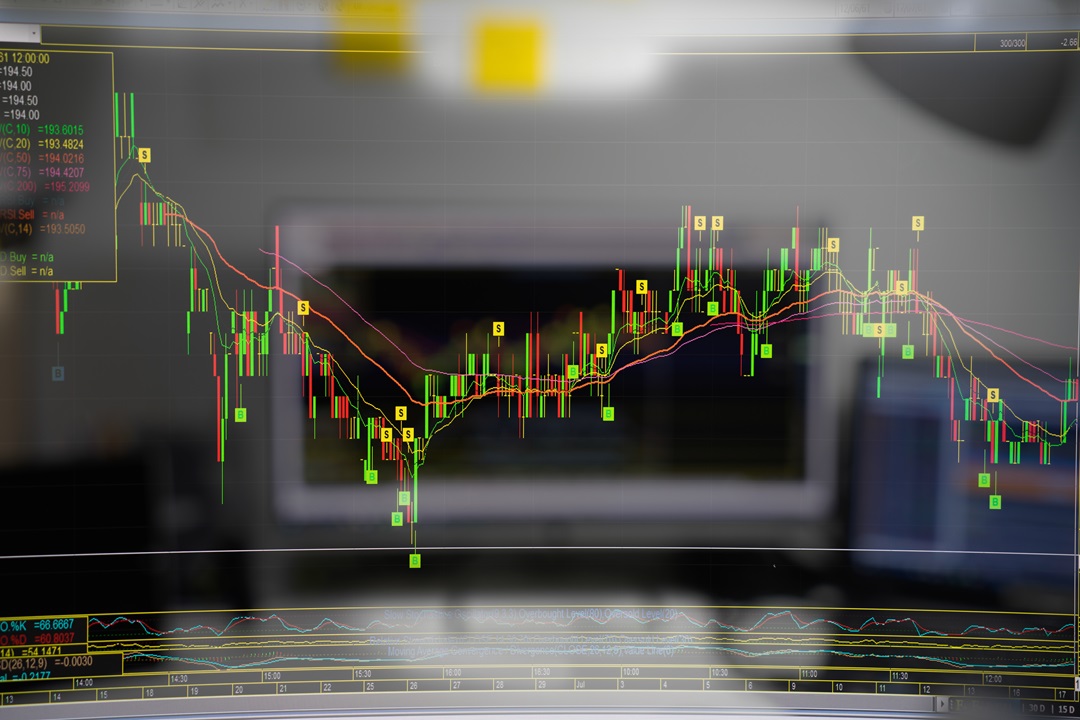
So which approach is better when it comes to passing a prop firm challenge and keeping your funded account—daily trading or weekly trading? This guide breaks down the pros and cons of both, explores how they align with prop firm rules, and helps you determine which time frame suits your trading personality and prop firm goals.
Understanding Daily Trading
Daily trading typically refers to executing trades based on signals that form on the daily chart (D1). Traders who follow this method usually hold trades for 1–3 days and base their entries on end-of-day setups.
Key Characteristics:
-
Slower pace of trading
-
Fewer but higher-quality setups
-
Lower frequency, higher time between signals
-
Typically used in swing trading or trend-following systems
Pros of Daily Trading with Prop Firms:
-
More Time to Analyze: You’re not under pressure to act in real-time. You have a full day to prepare each trade.
-
Less Emotional Stress: Holding trades for multiple days requires less screen time and emotional reactivity.
-
Better for Drawdown Control: Fewer trades often mean tighter control over daily loss limits.
-
More Compatible with Consistency Rules: Many prop firms penalize large lot size variations. Daily traders typically use fixed position sizing.
Cons:
-
Slower path to hitting profit targets
-
Some funded programs have time constraints (e.g., must hit target in 30 days)
-
You might miss opportunities that form on lower timeframes
Understanding Weekly Trading
Weekly trading involves basing trade decisions on the weekly chart (W1), often holding trades for several days or even weeks.
Key Characteristics:
-
Ultra-slow and long-term focused
-
Trades may take longer to set up
-
Requires strong patience and discipline
Pros of Weekly Trading with Prop Firms:
-
Strategic Planning: Weekly charts help you see the big picture and avoid noise.
-
Low Trade Frequency: Reduces exposure and trading costs.
-
High R-Multiples: Long-term trades can yield greater reward-to-risk ratios.
Cons:
-
Fewer opportunities to recover from drawdowns or bad trades
-
Many prop firms require minimum trading days to qualify for funding
-
Takes a long time to reach profit targets and receive payout or evaluation result
Which Time Frame Works Best with Prop Firms?
There is no one-size-fits-all answer, but here are the key decision-making factors to consider:
1. Prop Firm Rules
-
If your prop firm enforces time limits (e.g., 30-day challenge), daily trading gives you more opportunities to meet the profit target within the window.
-
If the program allows no time pressure (like The5ers' Bootcamp or Instant Funding), weekly trading becomes a viable option.
2. Consistency Requirements
-
Daily trading makes it easier to maintain consistent lot sizing and trading frequency.
-
Weekly trading may lead to issues with consistency metrics due to infrequent entries.
3. Personal Trading Style
-
Are you more analytical and patient? Weekly trading might suit you.
-
Prefer quicker feedback and more market interaction? Daily trading is better.
4. Drawdown Sensitivity
-
Daily trading allows for more granular control of your risk, letting you fine-tune your exposure daily.
-
Weekly trading can result in holding positions through higher volatility and news cycles.
What Do Successful Funded Traders Use?
A significant number of successful funded traders blend both approaches:
-
Use weekly timeframes for trend direction and macro analysis
-
Use daily charts for entries, exits, and active risk management
This hybrid model allows you to benefit from strategic insight while maintaining enough activity to pass challenges and adhere to firm rules.
The5ers: A Timeframe-Friendly Prop Firm
The5ers stands out for its flexibility in trading styles and time frames. Whether you're a short-term trader or long-term swing trader, they offer programs designed to support your style.
Why Daily and Weekly Traders Like The5ers:
-
Programs with no time limit to pass challenges
-
Instant funding options for confident swing traders
-
Emphasis on risk discipline over trading frequency
👉 Want a funded account that matches your trading style? Join The5ers and trade the way that works for you.
Final Thoughts
Choosing between daily and weekly trading isn’t just about chart time—it’s about aligning your style with prop firm requirements. Daily trading offers more flexibility and faster progression for most traders, while weekly trading rewards patience and strategic vision.
Ultimately, the best choice is the one you can execute consistently without violating prop firm rules. Whichever you choose, make sure it suits your personality, risk profile, and the firm’s policies.
Consistency + Discipline + Smart Time Frame = Long-Term Funded Success.


Comments
Post a Comment